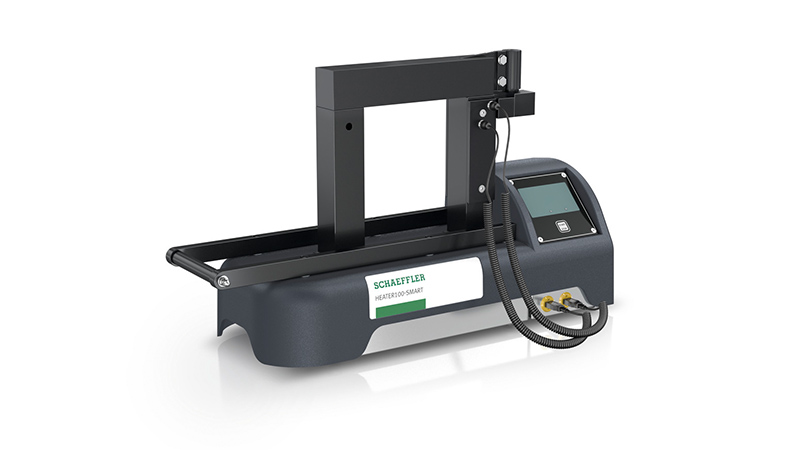
Induction Bearing Heater
Induction bearing heater for efficient, safe, and controlled thermal mounting.
Ball, roller, thrust, and housed bearings for motors, pumps, gearboxes, and conveyors. Correctly specified, reliably supplied, and backed by technical support.
Longer service life and dependable machine performance.
Reduced maintenance expenses and unexpected downtime.
The right bearing selection for specific industrial applications.
TruMecs provides industrial bearing solutions for manufacturing, mining, automotive, and other industrial applications. From ball bearings to heavy-duty roller bearings, find suitable bearing products to support equipment reliability, reduce maintenance costs, and maintain operational efficiency across Indonesia.
Each design handles radial, axial, and combined loads differently. Choose a category to see what each type does best and where it is used.
Supporting accessory categories for installation, monitoring, and maintenance — each with product options.
Induction heating devices for safe, fast, and controlled thermal bearing mounting — aligned with Schaeffler mounting solutions.
Induction bearing heater for efficient, safe, and controlled thermal mounting.
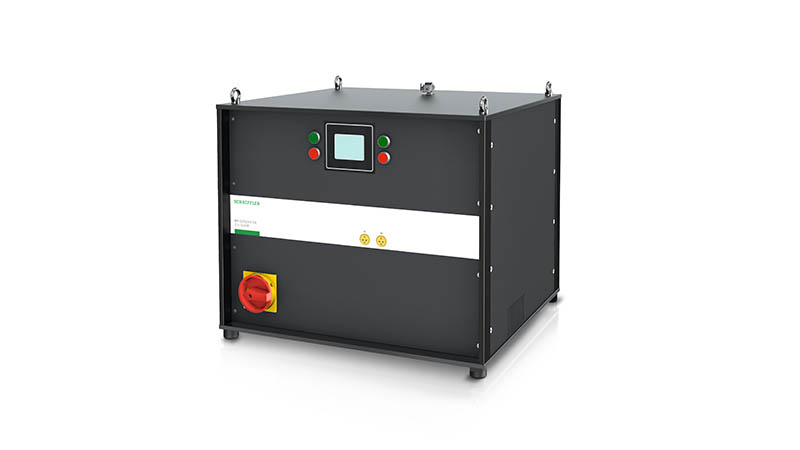
Induction heater with medium-frequency technology (MFT) for reliable, precise heating of bearing components.
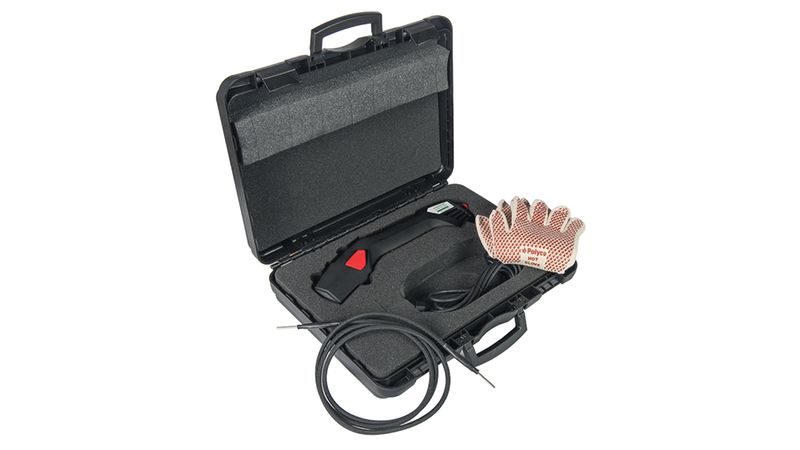
Flexible handheld MF induction heaters for on-site heating and mounting applications.
Condition and vibration sensors for real-time bearing health monitoring.
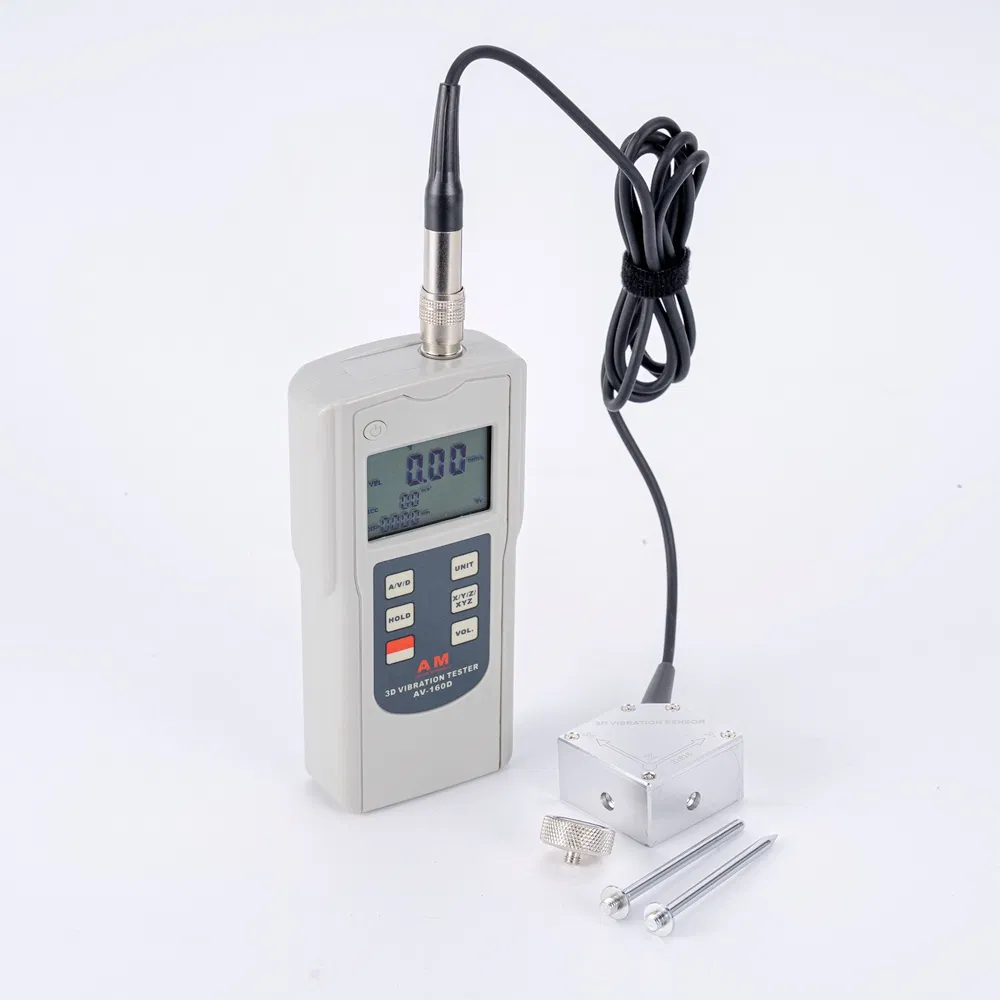
Vibration probe for early detection of bearing issues.
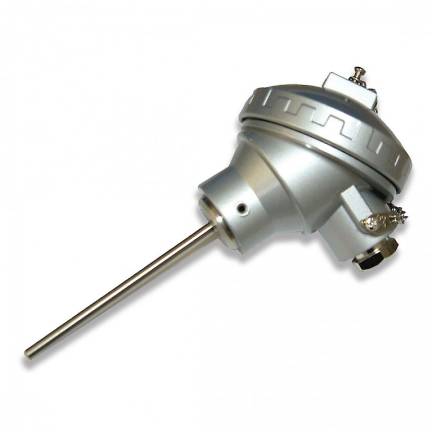
Bearing temperature monitoring for critical machines.
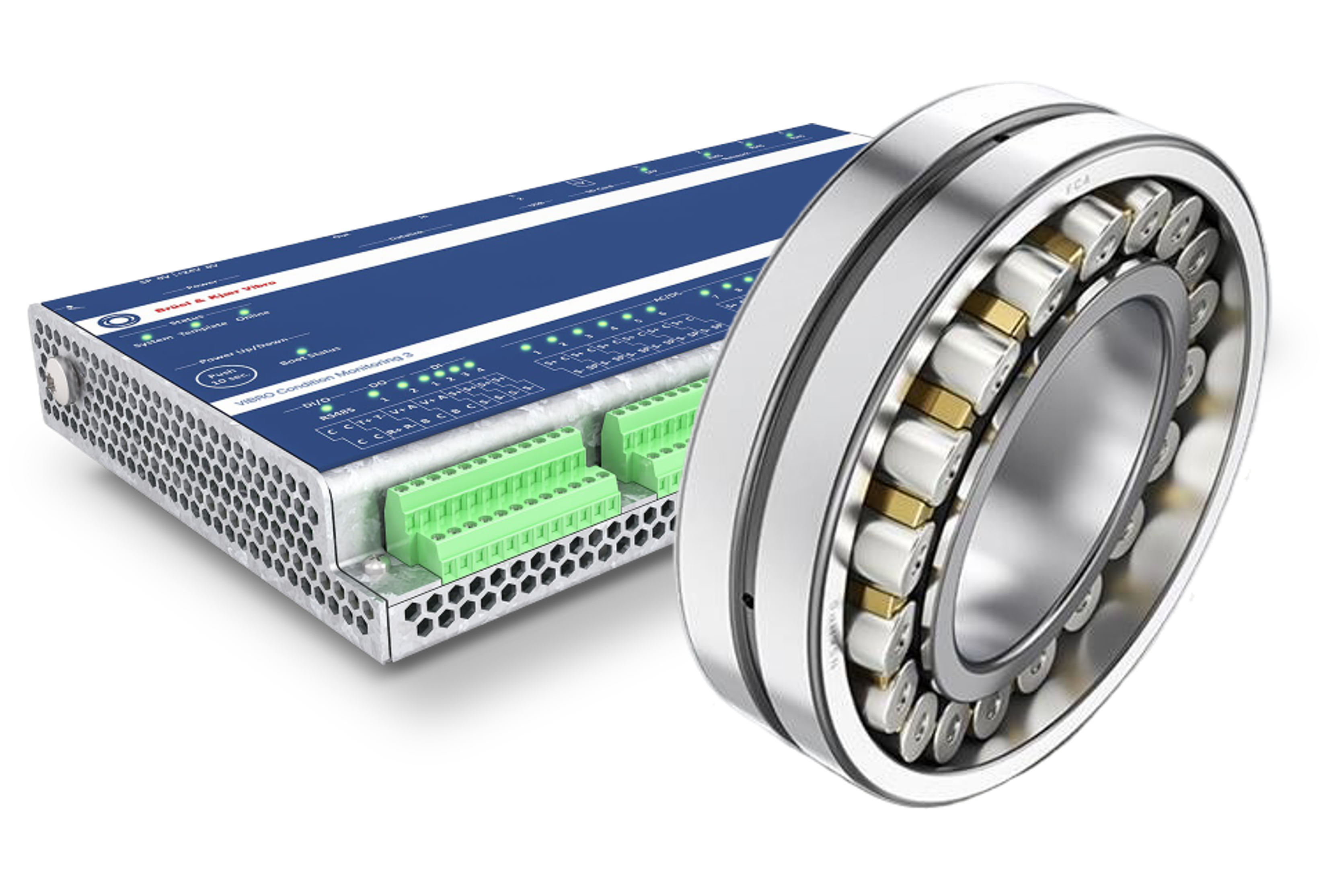
Continuous bearing condition monitoring system.
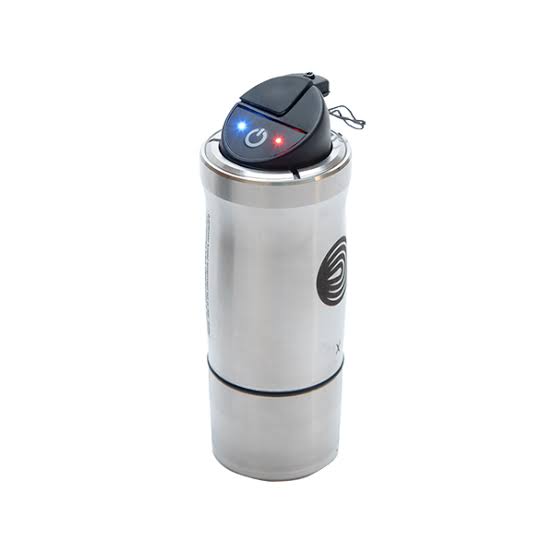
Wireless vibration data transmission to control systems.
Bearing mounting and dismounting tools for safe, fast, and precise maintenance — aligned with Schaeffler mounting/dismounting solutions.
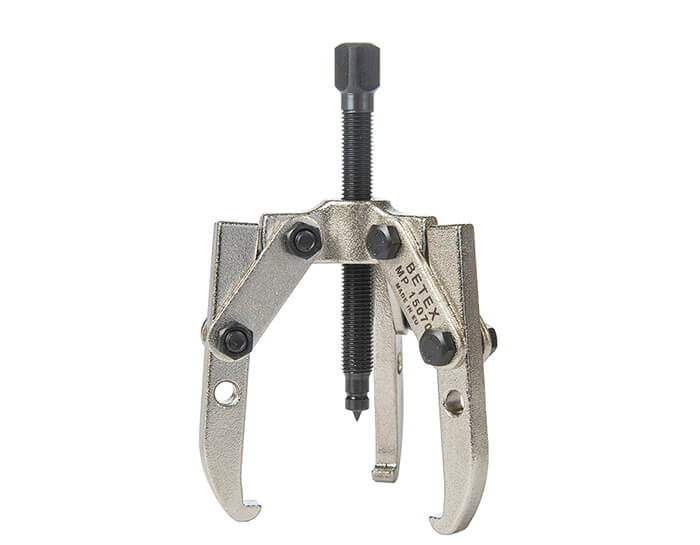
Mechanical puller for safe removal of bearings, gears, and press-fit components.
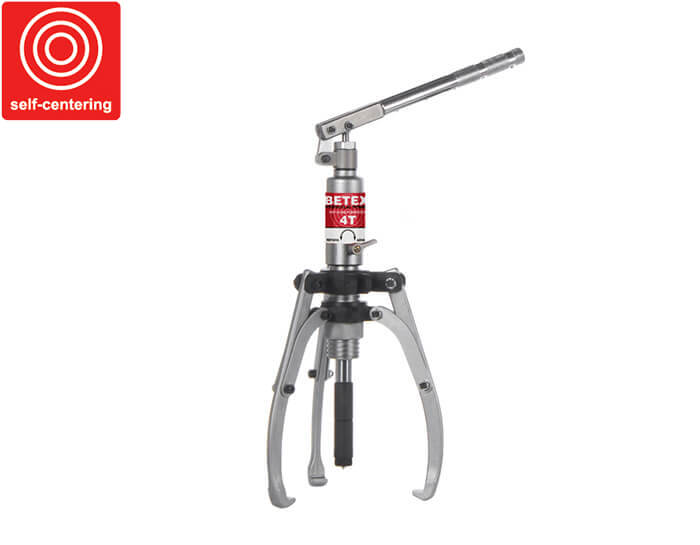
Hydraulic puller for controlled removal of large bearings.
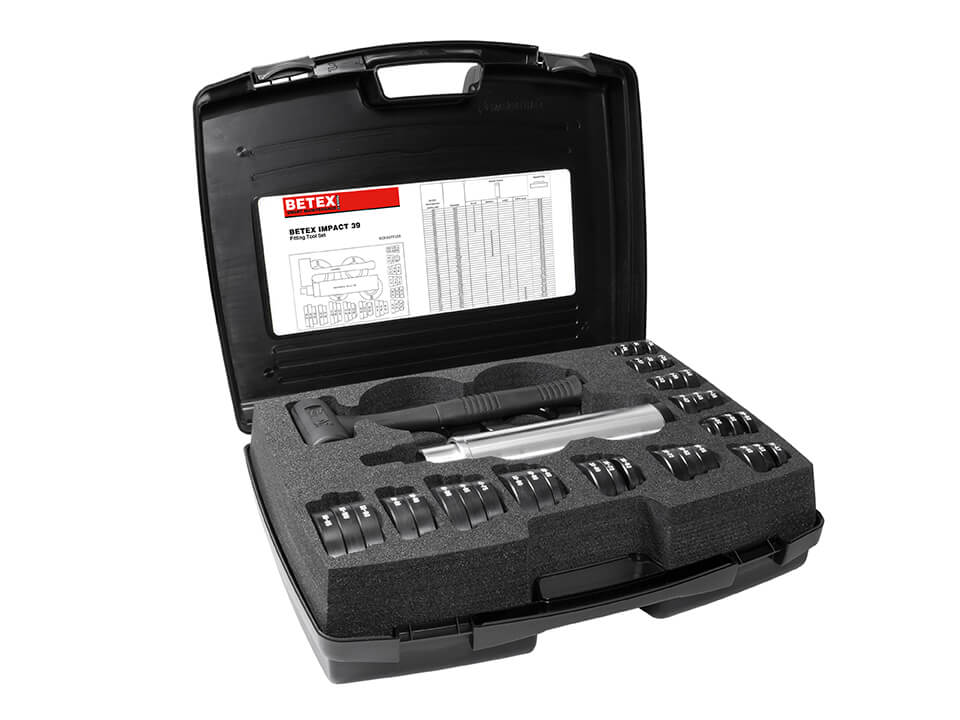
Impact ring/sleeve fitting kit for precise bearing mounting without damaging rolling elements.
Hydraulic nut and pump for mounting/dismounting bearings on tapered bores or adapter sleeves.
Housings and mounting accessories for secure installation.
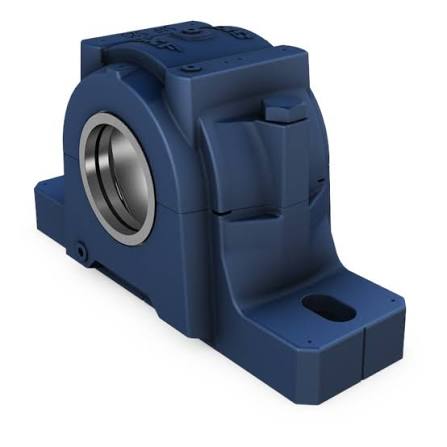
Pillow block bearing housing for various shaft sizes.
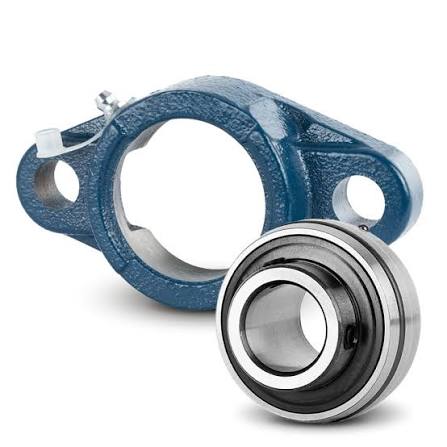
Flange housing unit for wall/frame mounting.
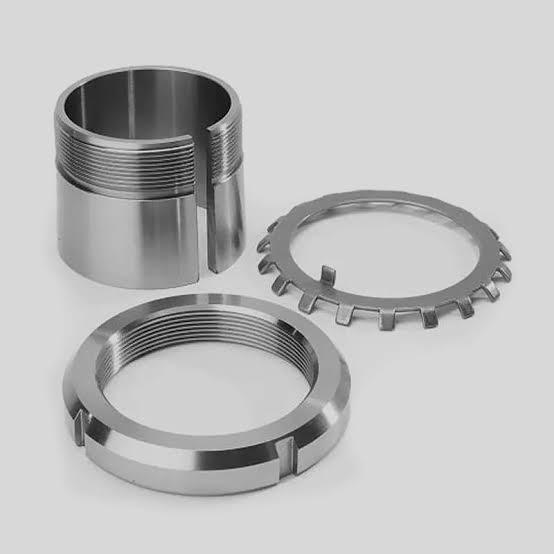
Adapter sleeve and lock nut for tapered bore bearings.
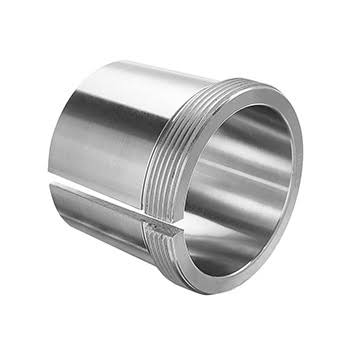
Withdrawal sleeve for easier bearing dismounting.
Seals and lubricants to protect bearings from contamination and wear.
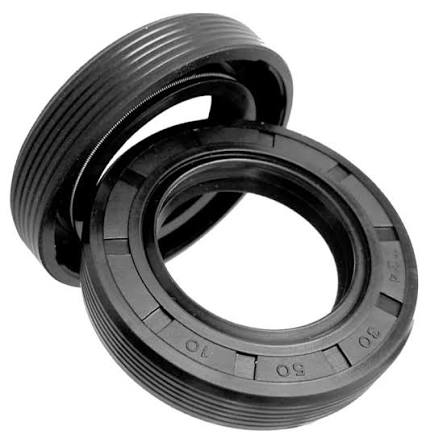
NBR material oil seal for standard protection.
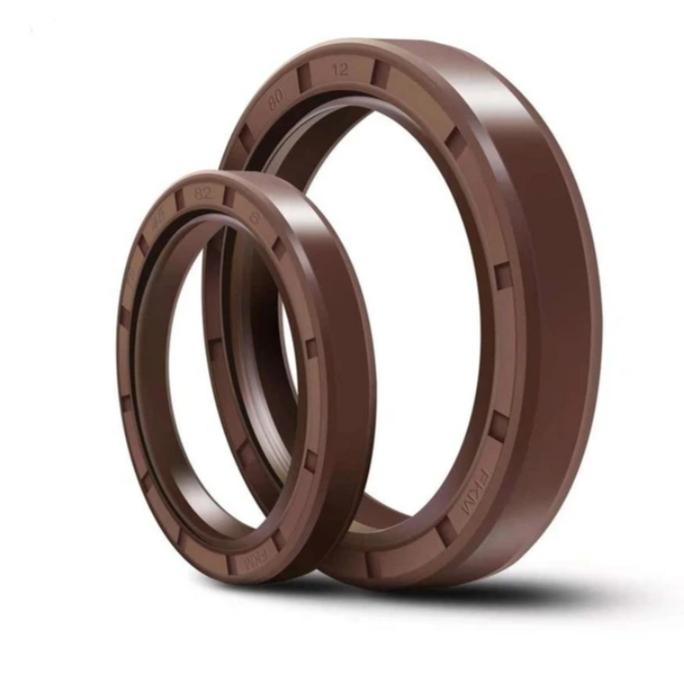
High-temperature and chemical-resistant seal.
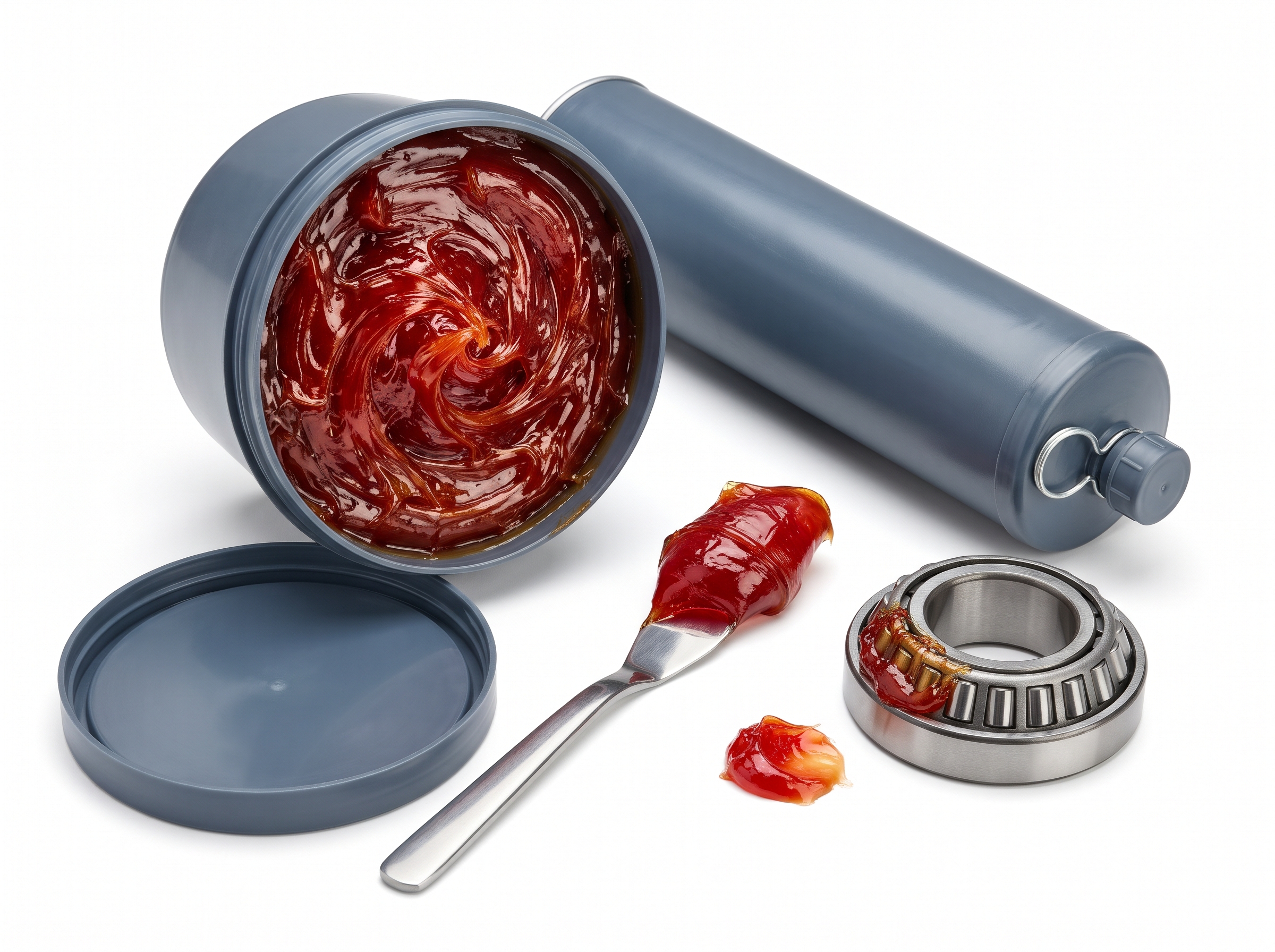
Grease for high-temperature and heavy-load applications.
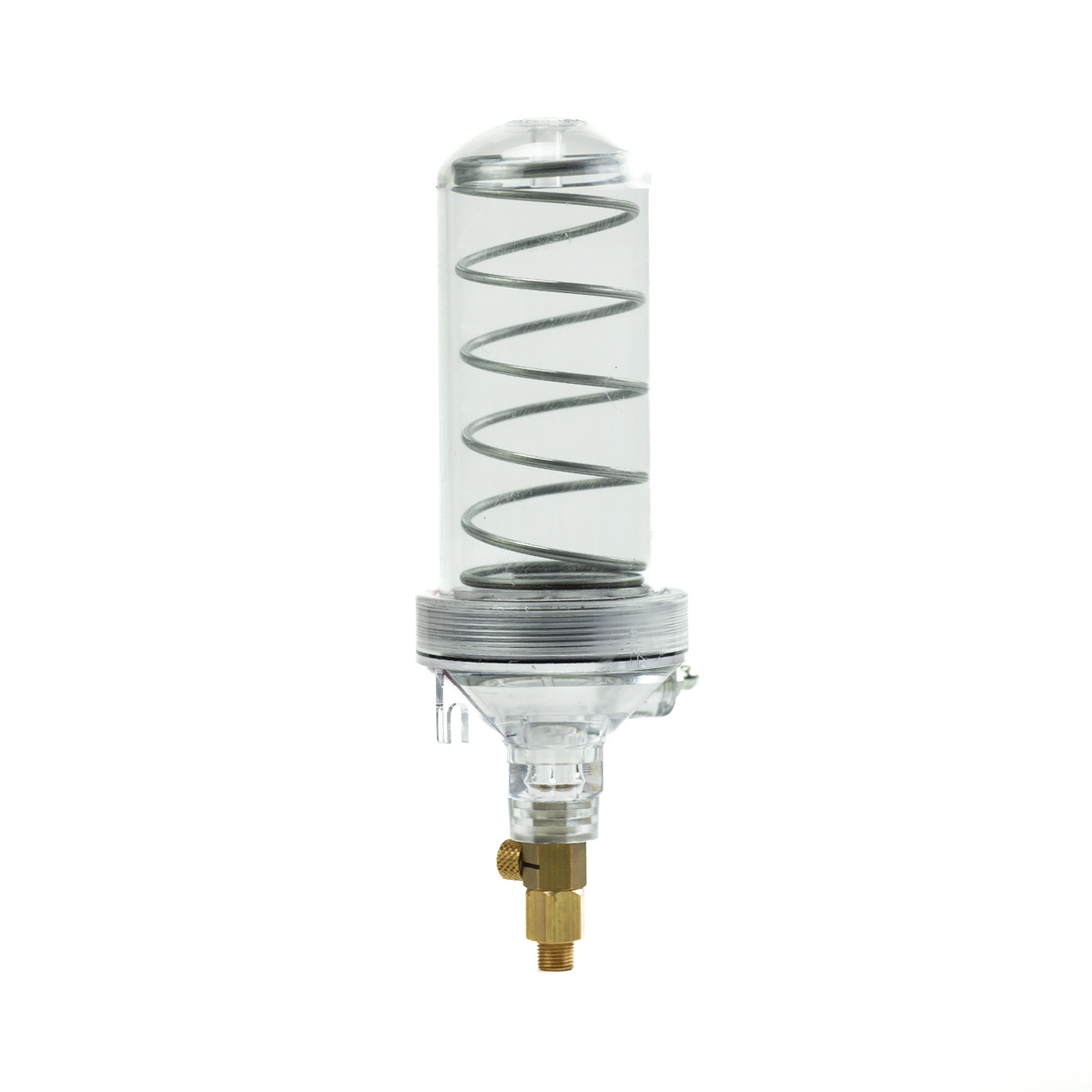
Automatic lubricator for consistent grease supply.
Alignment and measurement devices to ensure proper shaft/pulley alignment and optimal belt tension in industrial equipment.
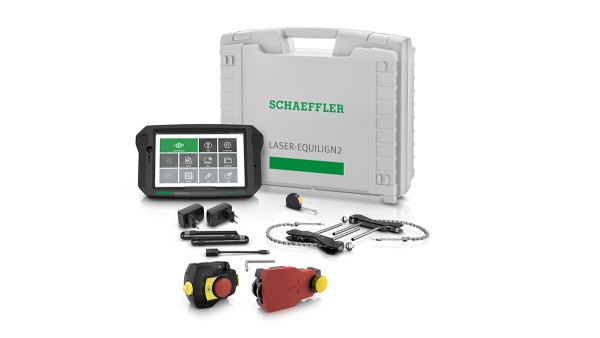
Shaft alignment tool for precise shaft alignment, helping reduce wear and vibration.
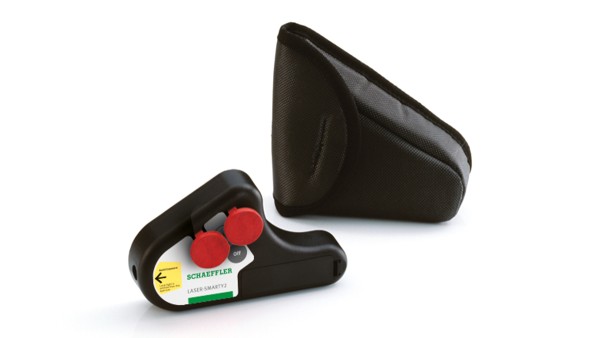
Belt pulley alignment device to ensure accurate pulley alignment and optimal transmission performance.
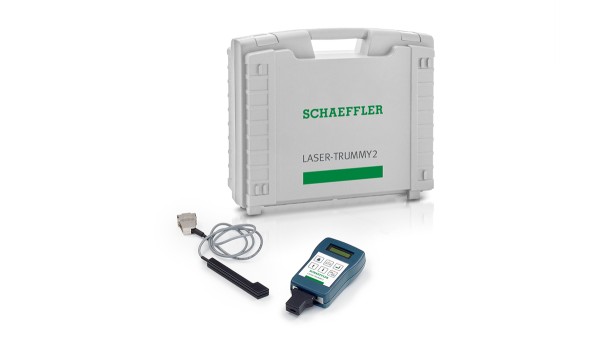
Belt tension measuring device to maintain correct belt tension and extend component service life.
A bearing designation packs its type, size, seals, and clearance into a few characters. Here is how to decode a common one.
A guide to choosing the right bearing and common failure causes to avoid.
Identify radial, axial, or combined load and its direction. This narrows the bearing type immediately.
High speeds favor ball bearings and precision designs. Heavy, slow applications favor roller types.
Match bore, outside diameter, and width, then choose shaft and housing fits and the right clearance.
Dust, moisture, heat, and washdown affect seal, material, and lubricant choice.
Too little, too much, or the wrong lubricant causes heat and wear. Follow the correct type and interval.
Dirt and moisture damage raceways. Effective sealing and clean handling extend life significantly.
Hammering, misalignment, or wrong fits cause early damage. Use proper tools and heating methods.
Current passing through a bearing can cause fluting. Consider insulation or grounding on drive motors.
Start with the number printed on the old bearing. If it is unreadable, measure the bore, outside diameter, and width, and note the type and any seals. Send us those details and we will match it.
ZZ bearings have metal shields that do not touch the inner ring, giving lower friction and higher speed capability. 2RS bearings have rubber contact seals that better exclude dust and moisture, with slightly more friction.
C3 is common in electric motors and applications with interference fits or higher operating temperatures, because the bearing loses some clearance when fitted and heated. Check the equipment specification.
Generally yes, since bearings follow standard dimensions. Confirm that the type, size, clearance, seal, and cage suit the application, as internal design can vary between manufacturers.
Yes. We supply single units, project orders, and scheduled supply for regular accounts. Contact us with your part numbers and quantities for details.
Send us the bearing number, or the shaft size and operating conditions. We will match it and confirm availability.